Robeat: A Vintage Blackletter Font with Timeless Charm
There I was, staring at a blank brand board, trying to find the right visual language for a small, independent café looking to refresh its identity. The owner wanted something that felt authentic, a bit mysterious, and full of character. That’s when I pulled out Robeat, a vintage blackletter font that immediately caught my eye with its ornate and stylish letters.
The Visual Personality of Robeat
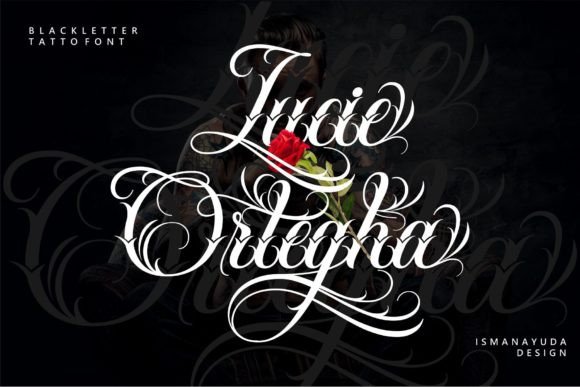
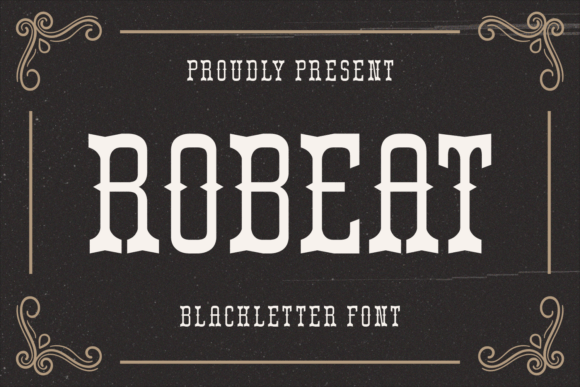
Robeat has a bold, decorative design that feels like it stepped out of an old manuscript or a handwritten letter from the 18th century. Its letters are rich with detail, featuring flourishes and swashes that give it a handcrafted, artisanal vibe. It’s not subtle, but that’s part of its charm. The font has a strong personality—it’s dramatic, elegant, and slightly rebellious all at once.
When I first tested it on a logo concept, I was struck by how it added a sense of history and sophistication. It wasn’t just about the look; it felt like it had a story to tell. That’s what makes Robeat stand out—it doesn’t just sit on a page; it commands attention.
Testing Robeat in Real Branding Projects
I used Robeat in several branding assets for the café project. On the logo, it worked beautifully as a headline font, giving the brand a unique signature. For the brand board, I paired it with a clean sans serif for balance, which helped keep the design from feeling too overwhelming.
On packaging mockups, Robeat really shone. It added a level of refinement to the product labels, making them feel more exclusive and high-end. The font also looked great on social media graphics, where its boldness made headlines pop against minimalist backgrounds.
For business cards, I kept it simple—just the café name in Robeat, with a short tagline in a complementary typeface. The result was striking and memorable. When I saw the printed cards, I knew we had something special.
Strengths and Limitations of Robeat
One of Robeat’s greatest strengths is its versatility as a display font. It excels in headlines, logos, and decorative elements where its ornate details can shine. However, it’s not ideal for long body text or small sizes, where the intricate details might become difficult to read.
It also works best in creative or niche branding projects rather than formal corporate environments. If you’re designing for a luxury boutique, a handmade shop, or a vintage-themed restaurant, Robeat could be a perfect fit. But if you’re going for a modern, minimal aesthetic, you might want to look elsewhere.
That said, Robeat is excellent for adding a touch of elegance and historical flair. It’s especially effective when used sparingly as an accent or highlight in a design system.
Font Pairing and Design Applications
Pairing Robeat with other fonts requires some care. A classic serif font like Garamond or Baskerville can provide a nice contrast, balancing the boldness of Robeat without clashing. A clean sans serif like Helvetica or Futura can also work well, offering a modern counterpoint to the vintage feel.
In editorial design, Robeat can add a dramatic flair to headings or title pages. In web design, it’s best used for hero sections or callout text where it won’t interfere with readability. For social media layouts, it’s a great choice for eye-catching captions or post titles.
When working with clients, I always recommend testing Robeat in different contexts before finalizing any designs. It’s important to see how it performs in real-world applications, whether on a print layout, digital screen, or signage.
Practical Considerations for Using Robeat
Before using Robeat in client work, make sure to check the licensing terms. Most premium fonts come with specific restrictions, especially when it comes to commercial use. Always verify that the license covers everything from print materials to digital assets like websites or social media templates.
If you’re working on a project that requires multilingual support, be sure to confirm that Robeat includes the necessary characters for your target languages. Some blackletter fonts may have limited glyph sets, so this is worth checking.
Finally, consider the file formats available. Robeat is likely offered in common font formats like OTF or TTF, and it may also be available as a webfont for easier integration into websites. Make sure to download the correct versions for your workflow.